
Anyone who watched the brilliant It’s A Sin on Channel 4 earlier this year cannot help but have been moved – and angered - by the disgusting way people with HIV were treated in the 1980s and early 1990s.
Although there is still work to be done, much has changed since those dark days, with new drug treatments available and doctors now understand far more about the virus.
One of the areas where there is more understanding is diet. The premise is straightforward enough: if you eat the right things and do the right things, your body has a stronger immune system and a far better chance of fighting off any number of illnesses.
But if you can’t afford to buy the basic food groups or, worse, have no idea how to cook a meal from simple, wholesome ingredients, then your chances are not only limited, but the effect can be life-limiting.
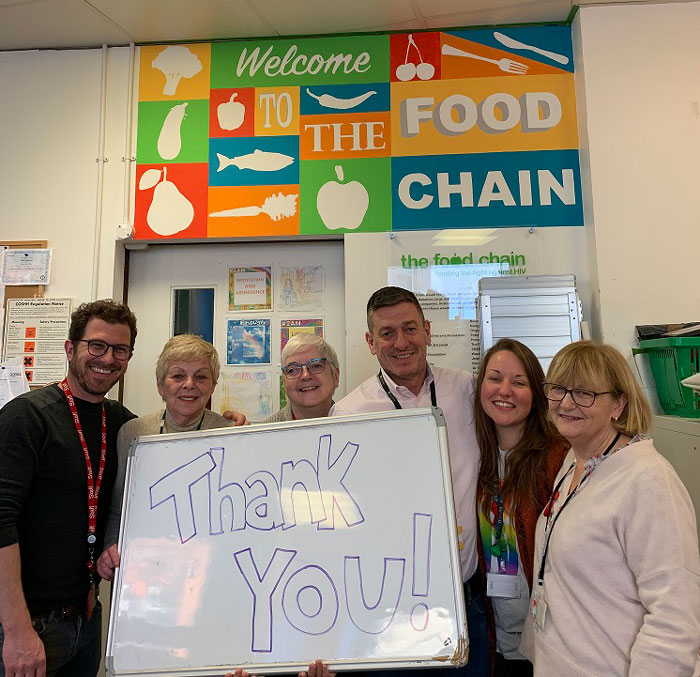
And this is where The Food Chain comes in.
Visiting the charity, Celebrity Masterchef winner Riyadh Khalaf says: “It’s the frontline. Those supported by the Food Chain are referred by doctors [when] they need help at a time of difficulty, and most often are on low or no incomes. They are HIV positive, sometimes with additional complications.
“The Food Chain [makes] a significant contribution to [their] long-term health and well-being.”
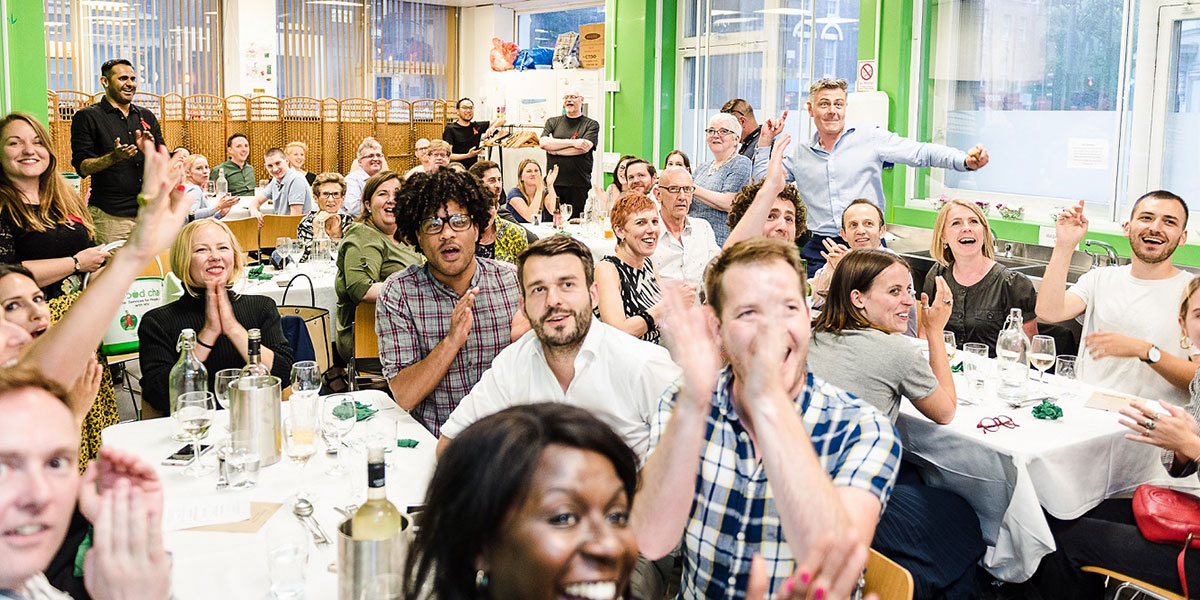
The charity provides food parcels to those who need supplies and guidance, but more importantly helps educate the recipients on how, and what, to cook. Better still, once or twice a week (outside of periods of Coronavirus restrictions) volunteers provide a decent meal in a social environment with discussions on everything from nutrition to mental health.
Food Chain chief executive Siobhan Lanigan says: “We see people leave in a far better position than they arrived, and many come back to volunteer having reset their lives.”
That’s why The Attitude Foundation wanted to help – and has handed over almost £20,000 so far.

In a typical year, The Food Chain helps about 350 people but the impact of Covid is felt here as everywhere. In the latter stages of 2020, the organisation was supporting 500 families, and it’s a safety net that dare not be taken away.
Dr Tristan Barber refers patients from the Royal Free Hospital, in North London, and shudders at the thought of its absence.
According to the National Aids Trust, the most recent estimate suggests there were 105,200 people living with HIV in the UK in 2019. Approaching half of people receiving specialist HIV care are now aged 50 or over, compared with fewer than one in five in 2007.
To see the work The Food Chain does, visit youtube.com/watch?v=Pf5fGiAd_UY&t=43s